
Energy Efficiency: How to Optimize Your Steam Boiler System
In industrial settings, steam boilers are essential for generating the heat and steam needed for various manufacturing processes. However, operating steam boilers can be energy-intensive, and inefficient systems can significantly increase energy costs. Optimizing your steam boiler system for energy efficiency not only reduces operational expenses but also improves the overall performance and lifespan of the equipment. In this blog post, we’ll explore actionable strategies to help you enhance the energy efficiency of your steam boiler system.
1. Upgrade to High-Efficiency Boilers
The most straightforward way to improve energy efficiency is by upgrading to a high-efficiency steam boiler. Modern boilers are designed with advanced features that maximize fuel combustion while minimizing heat loss. Condensing boilers, for example, recover additional heat from exhaust gases, which would otherwise be wasted, significantly improving overall efficiency. If your current boiler is outdated, consider investing in a newer model that offers better fuel-to-steam efficiency.
2. Regular Maintenance and Cleaning
In industrial settings, steam boilers are essential for generating the heat and steam needed for various manufacturing processes. However, operating steam boilers can be energy-intensive, and inefficient systems can significantly increase energy costs. Optimizing your steam boiler system for energy efficiency not only reduces operational expenses but also improves the overall performance and lifespan of the equipment. In this blog post, we’ll explore actionable strategies to help you enhance the energy efficiency of your steam boiler system.
3. Optimize Combustion Efficiency
Combustion efficiency is a critical factor in boiler performance. To ensure optimal combustion, your boiler needs the correct fuel-to-air ratio. Too much air can lead to excess heat loss, while too little air can result in incomplete combustion, wasting fuel. Modern boilers are equipped with automated controls that can monitor and adjust combustion settings in real-time. If your boiler doesn’t have these capabilities, you can retrofit it with controls that continuously adjust air and fuel flow to maintain efficient combustion.
4. Insulate Boiler Pipes and Tanks
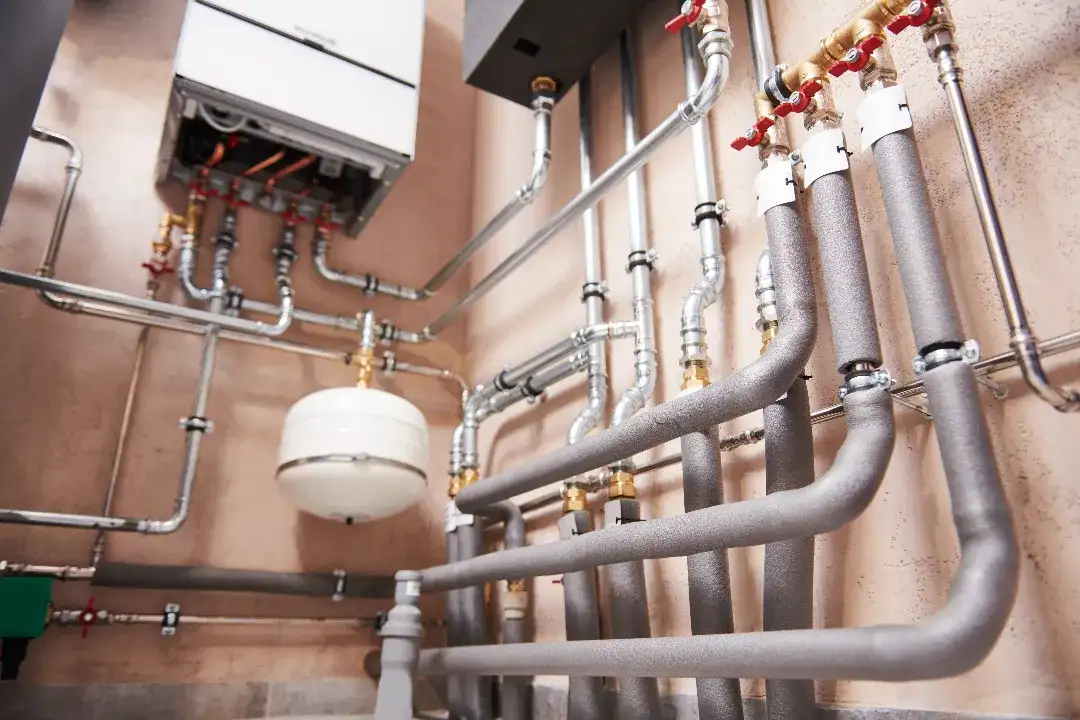
Heat loss through poorly insulated pipes and tanks can significantly reduce the overall efficiency of your steam system. Insulating your boiler’s steam lines, hot water tanks, and other heat transfer components can minimize energy loss and ensure that more heat is used for productive purposes. High-quality insulation materials, such as fiberglass or ceramic fiber, are cost-effective and can lead to substantial energy savings.
5. Use Economizers
An economizer is a device that captures heat from boiler exhaust gases and repurposes it to preheat the feedwater entering the boiler. This reduces the amount of fuel required to heat the water to steam and improves the overall efficiency of the system. By installing an economizer, you can recover waste heat that would otherwise be lost to the atmosphere, lowering fuel costs and improving the energy performance of your steam boiler.
6. Implement Blowdown Heat Recovery
Blowdown is the process of removing impurities and sediment from the boiler’s water to prevent scale buildup. However, blowdown water contains significant amounts of heat that can be recovered and reused. A blowdown heat recovery system captures this energy and transfers it to preheat makeup water or feedwater. This process reduces the amount of energy needed to produce steam, further improving your boiler’s energy efficiency.
7. Monitor Boiler Performance with Real-Time Data
Modern steam boilers come equipped with advanced monitoring systems that provide real-time data on performance metrics such as temperature, pressure, and fuel consumption. By continuously monitoring these metrics, you can identify inefficiencies, track energy use, and detect any potential problems before they escalate. Data-driven insights allow you to make informed adjustments to optimize efficiency and minimize energy waste. If your boiler system lacks these monitoring capabilities, consider investing in a boiler control system with real-time data tracking.
8. Recover Condensate
In a steam system, condensate forms when steam releases its heat energy. Instead of discarding this condensate, you can recover and reuse it as feedwater for the boiler. Condensate is already warm, which reduces the amount of energy required to heat it back into steam. A well-designed condensate recovery system can capture up to 90% of the energy contained in the steam, resulting in significant energy savings.
9. Reduce Boiler Pressure
Operating your steam boiler at the minimum pressure required for your application can improve energy efficiency. Higher pressure boilers require more energy to produce steam, and often, facilities operate at higher pressure levels than necessary. By carefully evaluating your steam needs and adjusting the boiler pressure accordingly, you can reduce energy consumption without compromising performance.
10. Eliminate Steam Leaks
Even small leaks in your steam system can lead to significant energy loss over time. Inspect your steam lines, valves, and fittings regularly to identify and repair any leaks. Not only will this improve the efficiency of your system, but it will also help maintain consistent steam pressure and prevent unnecessary wear and tear on your equipment.